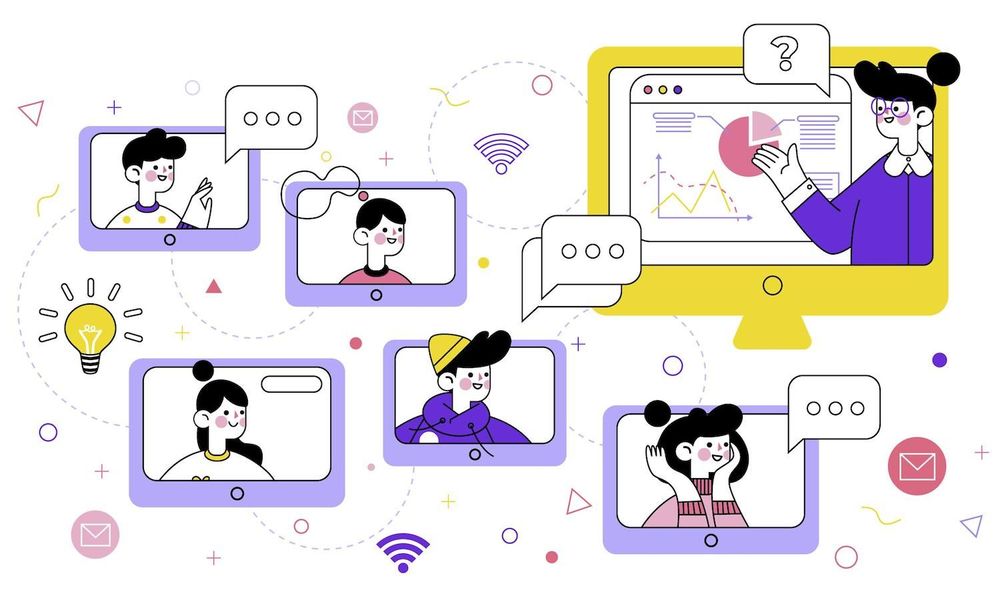
How do you launch an online Course in 2022
For a dazzling success of the online course you're taking, beginning your course in the right method is crucial. In this piece, we'll provide an essential guideline to follow when launching your online course so you're able to launch your course properly on your first try.
What Do You Need To Plan For A Course to Be Launched?
It's your turn to make the decision to either start your company by yourself or join forces with someone else in the launch of your venture as a joint venture. Joint ventures require some excellent contacts within the business as well as important connections. if want to get cracking quickly, consider the option of the solo business.
In planning the launch of your program, make sure to break your project into two specific stages: pre-launch (we'll call this the first phase) and then the launch (phase 2. ).
Phase 1: Pre-launch
The initial phase could be a couple of weeks long or a couple of months, depending on how big your launch is. The first step is to establish the community for your course and discover all you can know about the participants who are taking part.
Establish your target audience
For determining the intended audience for your course Start joining the social media communities to connect with the people you plan to promote your program. A community that's known to be trustworthy can provide a great chance to connect and build a crowd of students who support your course information. Additionally, you can try advertising on social media platforms to increase the brand's visibility along with your program. If podcasts are your thing Contact the podcast's creators for a chance to be a part of shows and boost your following.
The people you meet via social media and forums for industry are excellent participants to beta test your course. Make a schedule for your course , and then offer students the course at a significant discount to get an in-depth critique of the content. This will help you better understand how your course is used and help you modify the content prior to the launch.
In this stage, the principal tasks include:
- Learn how well your potential audience is aware of the topic of your program.
- Pinpoint the knowledge gaps that the course's contents will address.
- Discover your ideal market's issues and determine how to pitch your business as the solution to their needs.
- Learn what type of content viewers are looking for on social media websites.
- Conduct a competitor analysis to understand the current state of the market and determine where your course will fit.
Contact your targeted audience
In order to reach out to the people who are interested in your course, it means doing all you can online to raise the awareness of your course and create excitement about it. This way, once your course launches will be met with an enthusiastic crowd eager to sign up.
Make a number of blogs on the course you are offering online so that your students have an understanding of what to expect. Blogs are helpful because they'll quickly improve your visibility as a search engine on the internet and possibly drive more customers to your course sales page. This isn't the only benefit...
Create a course sales page
There must be a place for your clients to sign-up your classes - a sales web page is the page.
The page that sells your course must clearly define who the course is designed for, and clearly define how your course will solve their problem. Define the precise outcome and benefits that students will be able to achieve. Use your outline of the program and any previous comments or proof of social status to demonstrate the credibility of your organization and credibility.
Phase 2 Phase 2 Phase 2: Launch
In this article , we'll take a look at events that last for five days however, the duration of your celebration could be shorter or longer.
Day 1
There's plenty to keep you busy during the very first day of your course start.
- Make a blog entry which announces the date of your course. Be brief and concise to present the benefits of your course as well as the key features, including reviews and social proof, If you've got them.
- Create a welcome message to the list of your marketing contacts include the directions for your mailing list to your sales page featuring an eye-catching headline and an explicit call to actions.
- Launch your course on social media - create visuals to announce your course's launch via different social media channels (you'll have a head start on the pack with this because part of the initial investigation phase, you had to figure what kind of content users like).
- Create a social media Live launch Use Facebook Live or Instagram (or both!) to run a live virtual event. It is time to announce your event's details worldwide and to talk about your reasons for encouraging you should sign up today.
Day 2
Create your email marketing plan Day 2 is over and it's time to roll out your marketing plan for email. It's a drip feed technique that sends out targeted messages to your mailing list over duration of your launch. Effective email sequences bring about trust, anticipation and a sense of urgency that encourages people to join to your course.
The principal focus of this email is the reason you designed your course. It is about who will benefit from it. A course includes an outline.
Create a course-inspired webcast Webinars can be a great chance to draw attention to your online course, and aid your customers in understanding what it does. Like the marketing emails you send out, make use of the webinar to provide a means to share your tale and also highlight course benefits. Live webinars can be very valuable. As an example, suppose you have students who participated in your last class, and you want to include them on the webinar to discuss how the course can benefit them, and what they've taken away from your.
Day 3
The third day is about improving the social credibility of your course in order to promote students to sign up for your course.
Social media and social evidence
Get on social media platforms and publish previous quotations from happy students, and point the audience to instances. This will convince people to join the class even if they're not sure. If you're present in the class, be sure to post a link to the webcast of yesterday's session on social media.
Make a follow-up launch email
The third email must be part of the marketing sequence. The email should include the best examples of happy previous course students, as well as reviews. Also include a link to a webinar in order to invite the people who are on your mailing list to attend the replay of the webinar.
Day 4
Third-course announcement by email
The third and final email in your sequence of marketing email will be sent out this morning. Your email will address your target customers' conscious and subconscious oppositions. Make this email with the format of FAQs to answer any lingering doubt that your potential customers may ask when signing in for your program.
Take note of the answers to the questions below, such as:
- What is the time frame students will need to pay for the course?
- How long is the time students will be able to access the course?
- Are there payment plan alternatives?
- Does the company offer a money-back assurance?
- The material for the course is available for sign-up?
- Who are these classes best suited to?
- What is the time frame for the program? be completed?
Run a live Q&A
The time has come to live again! Take the stage along with your viewers and get participants involved in the launch of the online training course. Your live Q&A session is likely to have the same structure as your FAQs emails So make the most of your chance to convince your viewers that signing up for your online course is the right option.
SELL ONLINE COURSES
Take part in more than 130,000 sellers who have launched their businesses online using
Day 5
The launch of your course is closing in on you. This is the perfect time to announce the last call.
Create a course's send out a launch email
This email will serve as your target audience's final chance to register. Be sure to include an overview of your course and perhaps a couple of reviews, any last-minute discount on the launch, as well as an easy call to action.
Social media final promotion
Invigorate your marketing emails with a final push on social media channels. This promotion must include final discounts and demonstrate that it's your last chance for customers to avail your discount to enroll in your programs.
Introduction to Post-course
When you've launched your class but it's not the ideal moment to take the course at ease. This can help you provide your students the best customer service during their learning process.
Checklist of Online Courses for Launch
There is now an established and tried-and-true strategy to start your online course. In order to wrap up the outline, here is the list of the online course's launch checklist in the form of an outline table.
- Decide if you'll launch your business on your own or as an alliance.
- Know your audience's needs as well as the issues they face.
- Conduct thorough competitor market research.
- Create a connection with the group you want to join by joining their the social media networks of your choice.
- Build and expand your list of marketing emails.
- Create blog posts on your forthcoming course.
- Design a sales brochure for the course.
- Develop a sequence of targeted email marketing campaigns designed to advertise the online course you are offering.
- Undertake day one launch activities including email, blog postings on social media, live launch party.
- Begin your course by launching your email marketing sequence.
- Make a webinar course ( enterprise video conferencing allows this to be done easily).
- You can send your second course's launch email.
- Send social proof, webinars as well as follow-up instructions on social media.
- Be sure to send out your launch email.
- Run a live Q&A.
- Send your final course launch email.
- Final social media campaign.
Article was first seen on here