Sound can add emotion to art - The CreativeMindClass Blog
Phil Brookes is a music composer and sound designer who hails from Wales. He worked in collaboration with TedEd, Greenpeace, Tate, Medium, Passion, Strangebeast and many more. His sound and music are also showcased at festivals like Cannes, BFI London, GLAS as well as Giffoni with multi-award-winning films.
In the video below, you can find what Phil came about becoming an artist and read the valuable tips on how to begin your journey into the world of sound. Also, dive into the acoustic details of a fun Socks project he worked on with Eva Munnich.
Phil Brookes' background
I'm a musician and sound designer originally from Wales within the UK.
Since I recall, I've always been attracted to music, sounds, and even voices. Falling asleep in front of the washer as an infant, being seduced by its drones (appropriate given the topic I'll be discussing!) is the first time I've heard a sound.
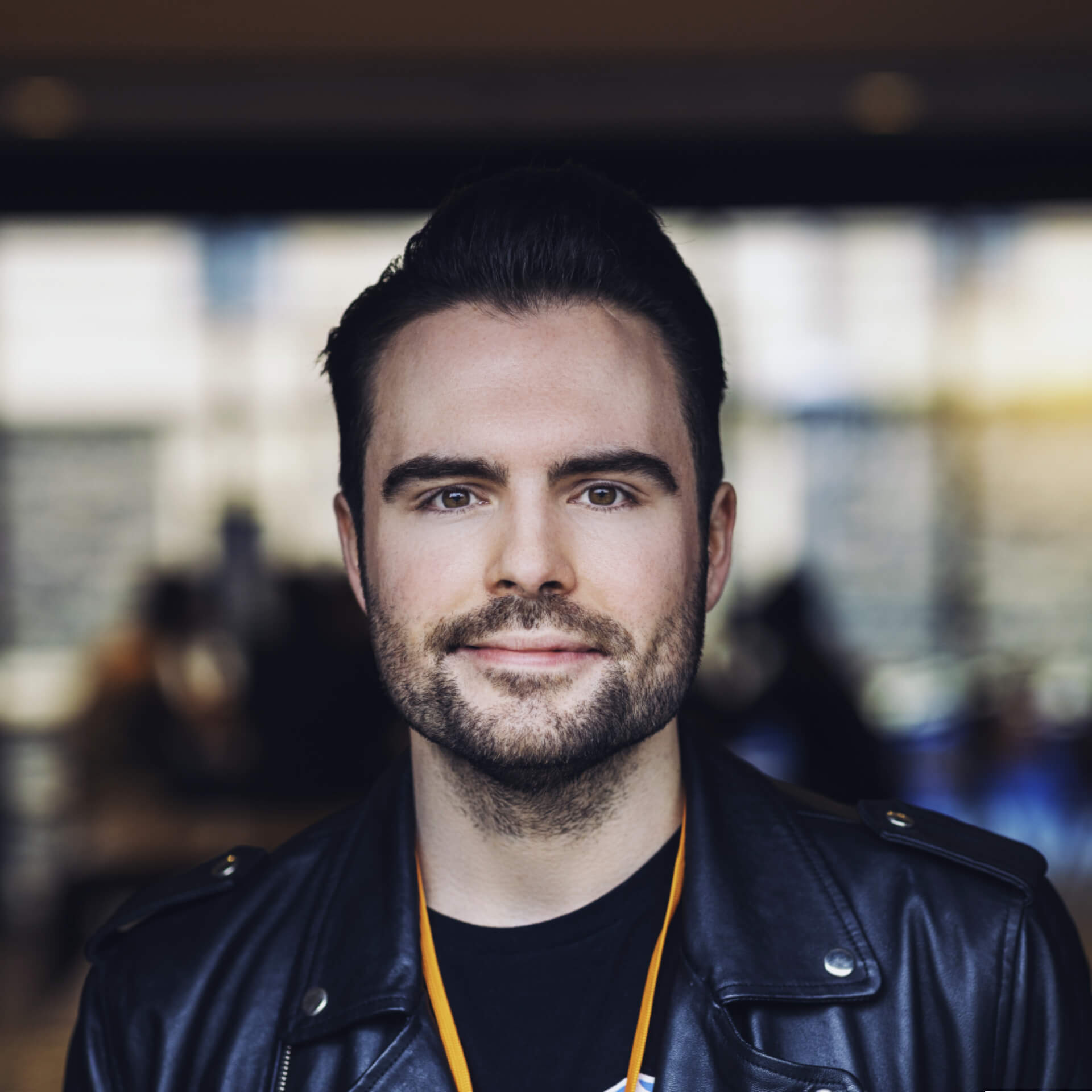
I began mimicking humorous accents and voices.
My dad was an obsessive music lover and would make use of recording equipment to create noises in his voice, and apply effects like delay and reverb on his voice to make it more enjoyable. I used to imitate him and other people such as Jim Carrey and Robin Williams using a dictaphone to imitate all the hilarious accents and voices they'd create.
Prince
My older brother played guitar, and it was his love for music and specifically the multi-instrumentalist Prince that really rubbed off on me. When my brother moved out the guitar he had left at home, and when I was an adult, I used it to teach myself enough to start writing as well as recording my music. Challenging myself to create the sounds that I seen on music albums or television, and then creating my own music to existing music.
That passion for using any resources I could find to create or recreate sound remains what drives me to continue to push myself to the limit today. I enjoy the process of learning as I create and my favorite method of writing is to write on the spot. Improvising, experimenting, jamming.
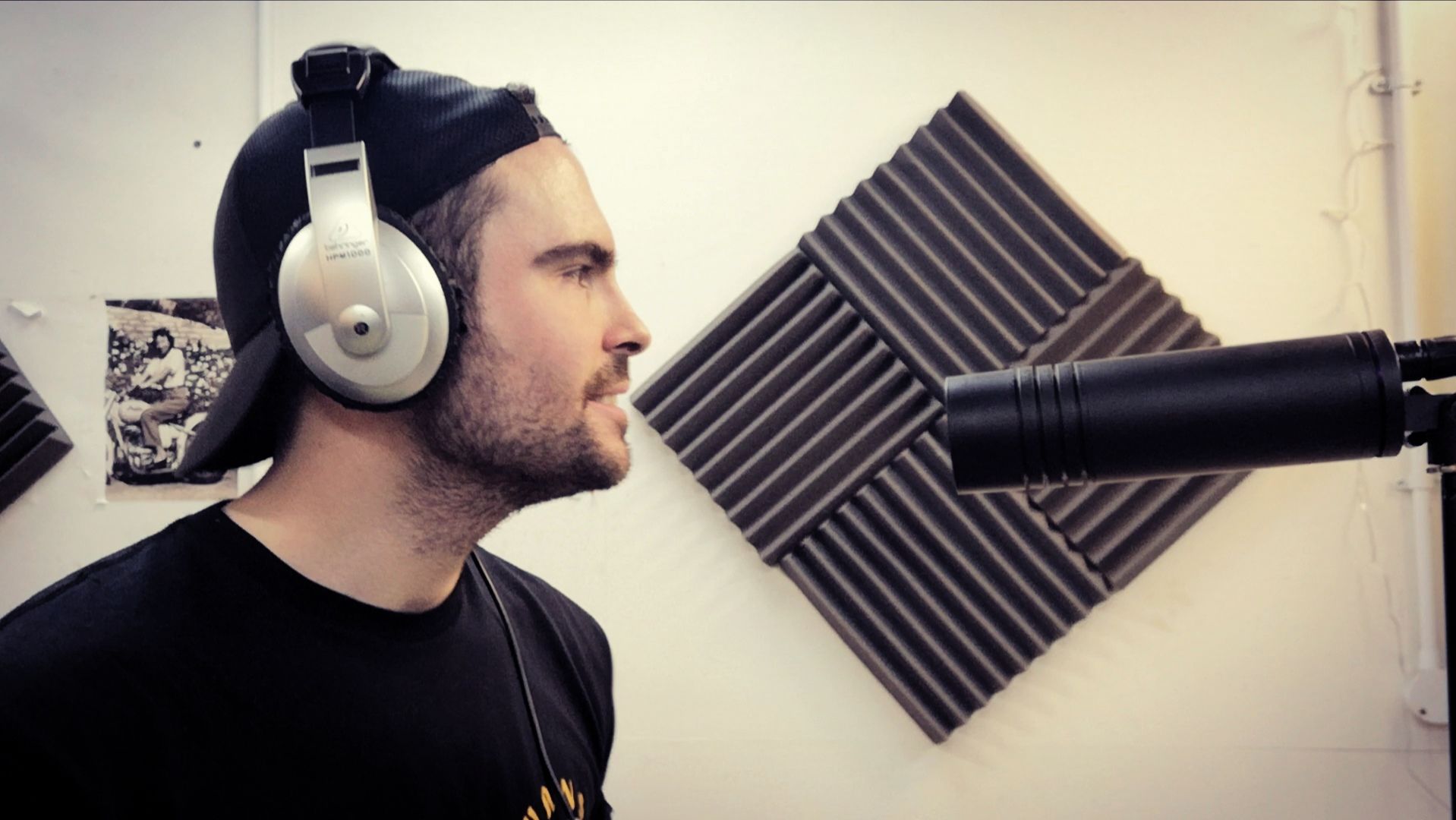
I learned piano for myself and synthesizer to compose the tune for 'But Milk is important'.
My obsession took me into The University of South Wales in Cardiff and I got to meet an amazing animator called Eirik Gronmo Bjornsen. The animator returned to Norway and produced a movie with Anna Mantzaris called 'But Milk Is Important'.
I learned piano for myself and synth to create the music that was used in the film, and since making the film I've been able to take on roles in sound design also, and haven't stopped creating.
The X-Files Project, aka the "Socks Project"
Recently, I collaborated with the amazing visual artist, Eva Munnich in the creation of the third of the three Lemonade Insurance projects I've created the music and sound tracks for.
Play with sound Your browser does not support the video tag.
The Lemonade videos are humorous fifteen to thirty seconds of short animated videos that can be played repeatedly. Eva's project had a strong sci-fi/extraterrestrial theme to it, and so she had some great ideas about music and sound.
9 times out 10 it is my intention to create the sound first as my atmosphere is likely to inspire me musically.
We've also had a conversation with Eva about her process for designing animation and visuals to be used in this X-Files project. Read the interview with Eva Munnich.
Voice-wise, Eva liked the voices I'd done in a prior TedEd animation I made together with Lisa Vertudaches.
In the animation I had raised my vocals significantly. It was thought by the animator that this might work for the sock specifically and asked if I could say "yay" in this voice. When I recorded this "yay" I let it rolling and added the "seeya" just before the sock had entered the UFO.
Eva liked it, so it was kept in. The other voice-overs were made up in the same way I observed them.
You can play with sound Your browser does not support the video tag.
If the washing machine were to talk and a voice, the machine would sound low.
In order to contrast the loud sound of the sock I toned down my voice to washing machines; since it is a large object, I felt as if if it had an ear, it should possess some depth. I mingled these sounds with the foley , and then mixed to create the perfect sound for music to be put on.
Your browser does not support the audio element. Your browser does not support the audio element. Your browser does not support the audio element.
I was a fan of the X-Files music as a kid.
Musically, Eva thought it would be interesting to create music that was inspired by The X-Files theme of The X-Files, which I loved as I loved that music as a kid!
Like most of the projects I've worked on I use an animatic (almost similar to a storyboard that moves) which the animator provides me to get a general idea of the timeframe, etc.
Your browser does not support the audio element.
I like sci-fi film soundtracks as well as game soundtracks.
I enjoy a variety diverse styles of music and it includes sci-fi and soundtracks for games, so in addition to being influenced by in the X Files theme, I was thinking about which instruments would work best in the genre.
I used mostly synth-based instruments drones, basses, and drones to build the basis of the sound. Layering drones was about capturing the appropriate atmosphere and capturing the light beam out of the ufo, which is then absorbed by our tiny sock.
I then created an incredibly powerful drum by using two kick drums and adding reverb and delay. I also added a delaying synth which pans from left to right, making the music appear more immersive. The last synth I used with was the pattern of six notes which repeats throughout.
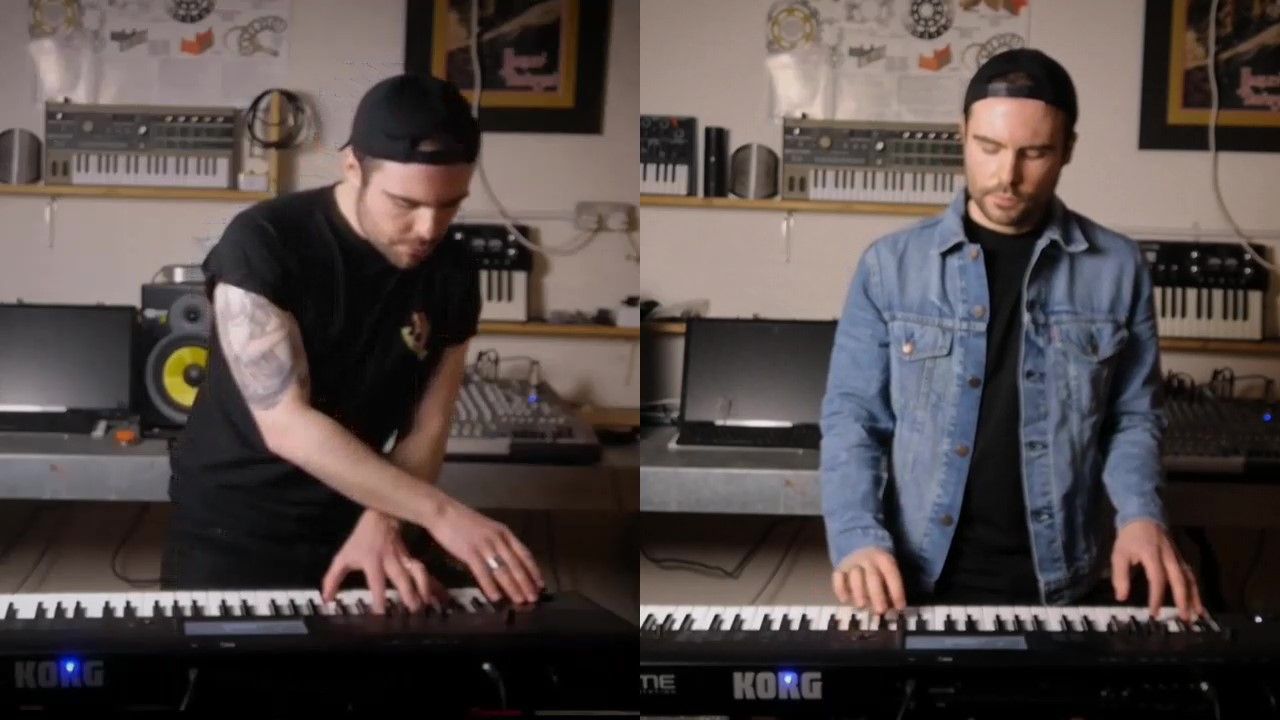
Whistling is an excellent human element to add to the music.
I decided to draw an inspiration from X-Files and add a delayed piano pattern and a whistle. I love to whistle and think it's generally a great human element to add to the music. I had originally recorded part of the bass guitar however I was of the opinion that it was not the right sounds I wanted to create.
Piano pattern
Your browser does not support the audio element.
A whistle
Your browser does not support the audio element.
In just 15 seconds can be challenging.
It was a pleasure working with Eva, and this short-form approach is really enjoyable and exciting to work within. While it's fast, it is still an enormous amount of work and has its own challenges.
Creating and establishing an atmosphere in 15 seconds with the sounds can be quite difficult and musically fitting in the right melody without sounding rush-like within that time frame is a challenge as well.
These are challenges I relish but, in the wake of Eva's animation, I have worked on two more really exciting Lemonade projects! The process videos for them on my site and Instagram.
Tips on how to start creating sound for images
If you want to start putting sound to a visual medium, there're now more innovative ways to do it than at any time before. there is really an ideal time to begin it now than today.
- If you have some creative spark, you should follow it to the point where it will lead you. The best way to start creating is to make stuff that you enjoy and then display the people what you have created.
- Send messages to budding filmmakers who share the same passion as you,they are always looking for advice on sound. they might be able to establish a connection.
- The first step is to get started at some point. I was making ambient music before I even thought about the possibilities working in film and, luckily, there was an animation program at my university, but before that, I had made and created enough sound and music that it made sense for me to pursue this path once it offered it.
- Make friends with other creatives; that's what collaborating is about. If you are lucky enough to be within a region that hosts film nights, festivals, and events, then go to them and meet individuals.
Did you like the interview? Please share! Join CreativeMindClass on Instagram to celebrate the power of creativity and feature artists.